Houston's Rich History: From Founding to Modern Metropolis
Houston, a name synonymous with innovation, space exploration, and a vibrant cultural tapestry, boasts a history as dynamic and sprawling as its urban landscape. From its humble beginnings as a speculative land venture on the banks of Buffalo Bayou, it has transformed into the fourth-largest city in the United States, a true modern metropolis. This remarkable journey is a testament to the pioneering spirit, strategic foresight, and relentless ambition that have characterized H-Town since its inception.
Understanding Houston today means appreciating its deep roots and the pivotal moments that shaped its identity. It's a city built on vision, hard work, and an enduring ability to adapt and grow, attracting people from all corners of the globe.
The Visionaries: Founding and Early Growth
The story of Houston begins in 1836, just months after Texas won its independence from Mexico. Two brothers from New York, Augustus Chapman Allen and John Kirby Allen, saw immense potential in a tract of land near the headwaters of Buffalo Bayou. They purchased 6,642 acres for a mere $5,000, envisioning a new commercial hub and the future capital of the Republic of Texas. Naming it in honor of General Sam Houston, the hero of San Jacinto, they aggressively marketed their nascent city as "the great interior commercial emporium of Texas."
Despite the challenges of a swampy landscape and rudimentary infrastructure, the Allens' dream quickly gained traction. Houston briefly served as the capital of Texas (1837-1839), drawing early settlers, merchants, and politicians. Its location on a navigable waterway, albeit a shallow one, was crucial. Steamboats began plying Buffalo Bayou, connecting Houston to the Gulf of Mexico and, by extension, to the global economy. Cotton became an early driver of the economy, solidifying Houston's role as a vital port and trade center even before its modern deep-water channel was conceived. The early pioneers laid the groundwork for a city that would forever look outwards, embracing trade and connectivity as cornerstones of its prosperity.
From Rail and Cotton to Oil and Space: A Century of Transformation
The late 19th and early 20th centuries were periods of explosive growth and diversification for Houston. The advent of the railroad dramatically expanded its reach, connecting the city to inland agricultural regions and further cementing its status as a transportation hub. By the turn of the century, Houston was already a major player in the cotton industry, but an even greater boom was on the horizon.
In 1901, the legendary Spindletop oilfield near Beaumont, Texas, erupted, unleashing the Texas oil boom. Houston, with its established infrastructure, port access, and entrepreneurial spirit, quickly positioned itself as the administrative and financial center of the burgeoning petroleum industry. Oil companies established their headquarters, refineries sprung up, and a new generation of wealth flowed into the city. This transformation from a cotton port to the "Energy Capital of the World" was profound and permanently altered Houston's economic trajectory.
The visionaries behind the city's growth weren't content to rest. The creation of the Houston Ship Channel, completed in 1914, was a monumental undertaking. This 50-mile-long waterway transformed Buffalo Bayou into a deep-water port, directly linking Houston to the Gulf and international shipping lanes. The Port of Houston became, and remains, one of the busiest in the world, a testament to the city's commitment to global commerce.
The mid-20th century saw Houston reach for the stars—literally. In 1961, the city was chosen as the home of NASA's Manned Spacecraft Center (now the Lyndon B. Johnson Space Center). This designation launched Houston into the global spotlight as "Space City," attracting top scientists, engineers, and a new wave of innovation. Simultaneously, the Texas Medical Center began its ascent, growing into the world's largest medical complex, driving advancements in healthcare and research that continue to benefit humanity.
Modern Houston: A Global Melting Pot of Innovation and Resilience
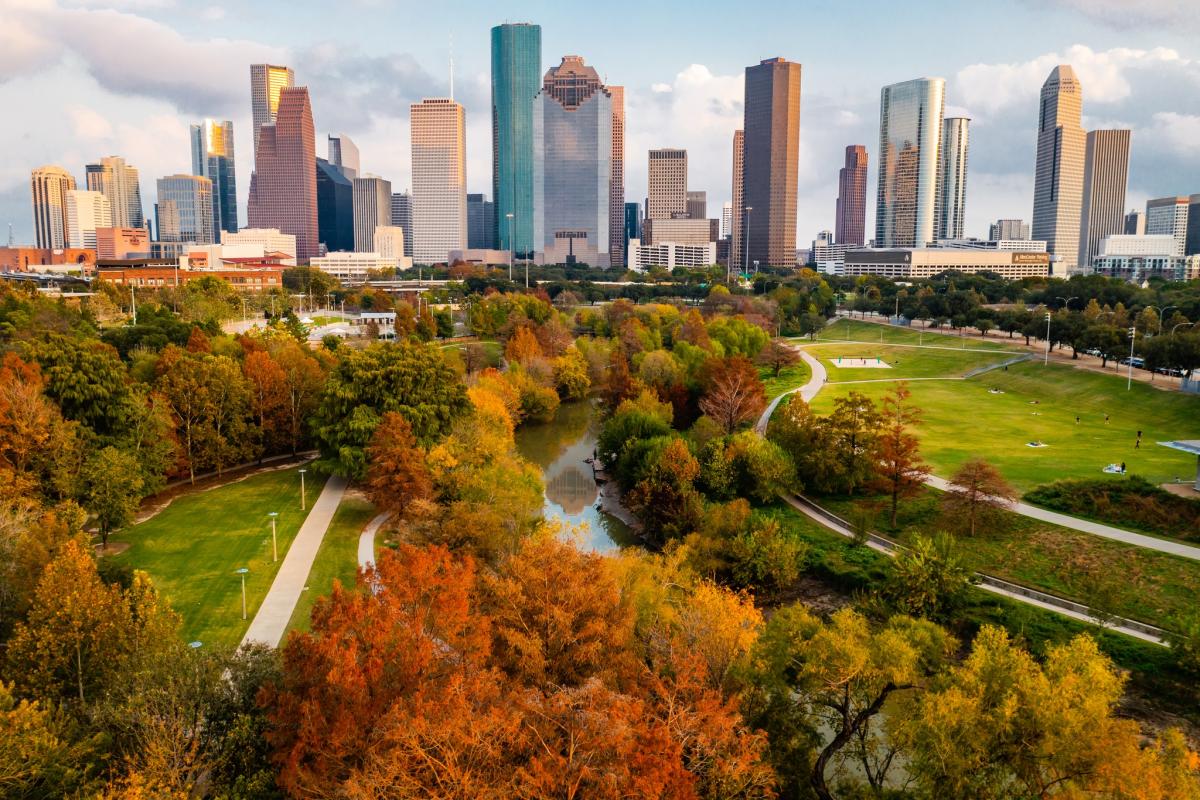
Today, Houston stands as a testament to its dynamic past, a truly global city whose skyline tells a story of ambition and achievement. Its economic base remains incredibly diverse, encompassing energy, aerospace, healthcare, manufacturing, and a rapidly expanding tech sector. The city's population reflects this diversity, with over 140 languages spoken, making it one of the most culturally rich and vibrant metropolitan areas in the nation.
From its very founding on the banks of Buffalo Bayou, Houston's relationship with water has been central to its story. This strategic location was key for trade, yet it also meant a perpetual dance with nature's elements. Over centuries, Houston has developed an incredible infrastructure and community spirit to navigate its climate, turning challenges into opportunities for innovation. While visitors planning a trip might check forecasts for potential houston weekend storms, the city's history of resilience, sophisticated urban planning, and a wealth of indoor attractions ensure that its vibrant spirit remains undimmed, no matter the weather. This adaptability is as much a part of Houston's identity as its pioneering spirit, allowing its residents to enjoy a vast array of attractions from world-class museums to diverse culinary experiences.
Modern Houston is also a city that embraces green spaces, with numerous parks and bayou trails offering urban escapes. Its culinary scene is world-renowned, mirroring its diverse population with everything from authentic Tex-Mex and Vietnamese cuisine to upscale fine dining. The arts and culture scene is equally robust, with a thriving theater district, numerous museums, and live music venues.
If you're planning to experience this vibrant city, you'll find an endless array of activities. For ideas on what to explore, consider visiting Discover Houston: Top Attractions & Events for Your Weekend Trip. To ensure your visit is smooth and enjoyable, you might also find valuable insights in Plan Your Houston Getaway: Essential Travel Tips for Visitors.
Key Milestones in Houston's Development:
- 1836: Founded by the Allen Brothers.
- 1837-1839: Served as the capital of the Republic of Texas.
- Late 1800s: Becomes a major railroad hub and cotton export center.
- 1901: Spindletop oil discovery propels Houston into the energy industry.
- 1914: Houston Ship Channel opens, establishing Houston as a deep-water port.
- 1940s-1950s: Post-WWII industrial expansion, growth of the Texas Medical Center.
- 1961: NASA's Manned Spacecraft Center (now Johnson Space Center) established.
- 1970s-Present: Diversification into technology, healthcare, and international trade; rapid population growth and cultural enrichment.
Houston's history is a compelling narrative of ambition, innovation, and resilience. From a muddy settlement envisioned by two brothers to a sprawling international metropolis, its journey has been anything but ordinary. It is a city that constantly reinvents itself, building upon the foundations of its past to reach new heights. Whether you're interested in space, medicine, energy, or simply a city that pulses with diverse cultures and opportunities, Houston's rich history offers a powerful context for understanding its present and future.